Shuttered college campus spurs debt debate in Massachusetts


Bloomberg News
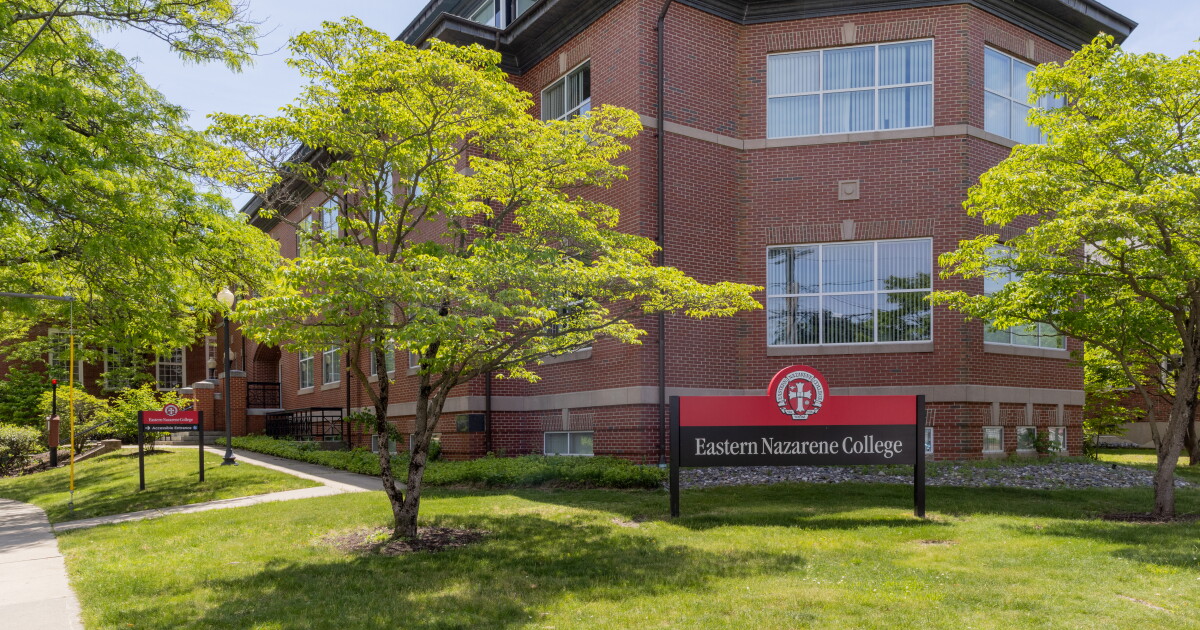
Tom Koch, the mayor of Quincy, Massachusetts, is trying to buy the campus that Eastern Nazarene College abandoned when it shuttered last year.
Processing Content
With 27 acres in a historic, tree-lined neighborhood close to the coast, the site would be perfect for the Boston suburb to expand its reach — and ensure no commercial developers get their hands on the land.
The problem? Quincy would have to borrow $22.5 million from the municipal bond market at a time when its budget is already strained.
Weighed down by $1.5 billion of debt, Quincy’s borrowing has made it one of the most leveraged rated cities in Massachusetts, according to Moody’s Ratings. The firm’s analysts downgraded the city’s rating in May to A1 from Aa3 with a negative outlook. Quincy has relied on thinning reserves to patch over gaps and one-time expenses.
“The city cannot afford to keep banking land just because it’s a good thing to do, because it’s costing the taxpayers,” Quincy City Council President Anne Mahoney said during a hearing Monday.
Debates such as these are set to become more common as small colleges across the country
For mayors like Koch, the chance to acquire nearby land might be too good to pass up. He’s said Quincy plans to top up its reserves and argues concerns about its debt are overblown. In the last year, the Boston suburb tapped the muni market to build an elementary school, revitalize its downtown and improve streets and sidewalks.
“The people elected me to get stuff done, not to build a savings account,” he said. “It’s not like we’re going to the Caribbean partying here.”
The City Council must approve the purchase by June 15 or the deal will fall through, according to a letter of intent signed in April by Koch and the chair of
A Quincy official told councilors last month that since the city’s agreement became public, the college has received at least one other offer to buy the property.
The Council’s finance committee peppered city officials with questions about the plan during the hearing Monday. Committee chair Deborah Riley expects to call another hearing on the transaction in the coming days.
Quincy’s Plans
Koch has proposed financing the purchase by selling $22.5 million in bond anticipation notes with a one-year maturity and six-month call feature, according to plans posted last week. The notes would cover the $21 million purchase price, with the additional $1.5 million serving as “seed money” for operational and redevelopment costs, the mayor said in an interview.
Koch envisions Quincy moving a city library branch into Eastern Nazarene’s old space and hosting local theater and dance groups in its former auditorium. Pre-kindergarten and afterschool programs could move into the buildings and nearby Quincy College, a community college, could make use of the athletic facilities.
The city expects to recoup as much as $10.5 million by selling 14 homes on the property, and it could sell a few small land parcels or use existing affordable-housing funds to help pay down the debt quickly.
Eastern Nazarene had initially agreed to sell its campus to a real estate developer who wanted to build several hundred housing units, but that deal fell through. Koch then put forward his own plan that he said would be more palatable to neighbors worried about overdevelopment.
But Quincy’s city councilors are questioning whether the city should be taking on more debt following the Moody’s downgrade.
The total debt load reached nearly $10,000 per resident in fiscal 2025, according to bond documents, up more than 180% from five years ago. Most of that jump comes from a $475 million debt sale in 2021, when the city sold bonds to cover pension payments to retirees, according to Moody’s analysts.
The analysts expect the city’s debt will remain high in comparison to its assets, given capital plans and revenue growth. Quincy’s investments in infrastructure and economic development have paid off in a growing tax base, but the cost of the projects and the burden from the pension bonds give the city less cushion than other municipalities, especially because it’s already tapped reserves, said Moody’s analyst Nicholas Lehman.
“They should monitor their capital debt issuance pretty carefully,” he said.