
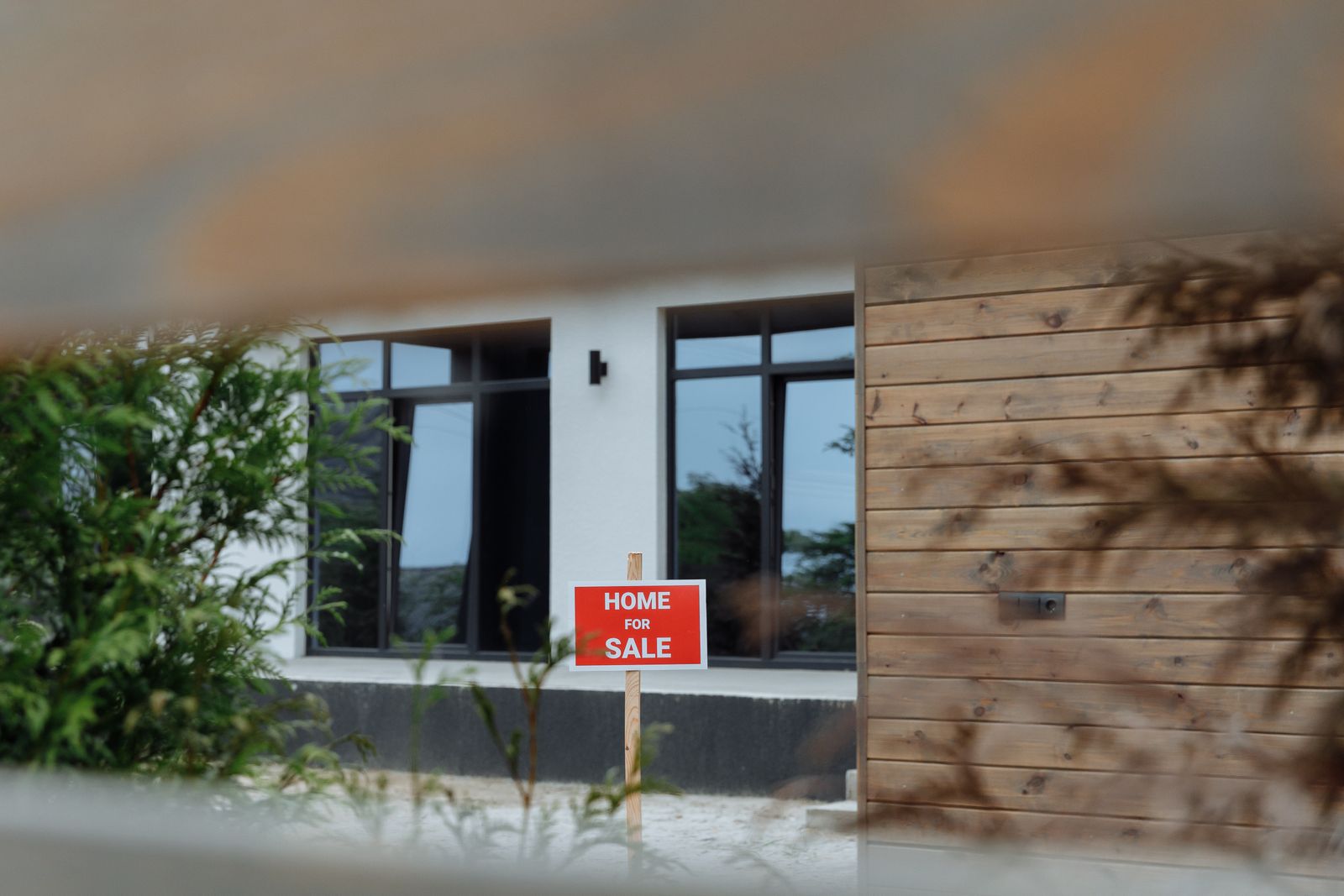
Housing Market Splits: Sale Prices Fall While Rents Rise for the First Time in Three Years

Industry overview
High mortgage rates and concern over the broader economy have frozen home sales for months, and that freeze is now showing up in both home prices and rents.
The median U.S. home sale price fell for the first time in more than three years, according to Redfin, a real estate brokerage. It was down just 0.1% year over year for the four weeks ending Oct. 25, after three straight years of increases. Mortgage rates have pulled back some in the last few weeks, but they are roughly a full percentage point higher than one year ago, putting the typical homebuyer’s monthly payment at the second-highest on record, according to Redfin.
Pending home sales, a measure of signed contracts on existing homes, continued to fall, and the National Association of Realtors showed September sales at the lowest level in 25 years. New listings are also falling, now at the lowest level since the start of this year, according to Redfin, because sellers are losing their advantage as supply rises and buyers back away.
With the for-sale market stalled, more renters are staying put, and rents are rising again. Median rent nationwide rose 0.1% in October, according to Apartment List, the first gain in over three years, after an oversupply of new units had rents falling. “The vacancy rate is also gradually tightening, as the market transitions out of the soft conditions that have prevailed in recent years,” wrote Chris Salviati, chief economist at Apartment List. “Our newest market indicator tracking the concession rate continues to show signs of softness.” The national multifamily vacancy rate stood at 7% in October, elevated compared to long-term norms, but continuing to decline after peaking earlier in the year.
Rents are rising even in Sun Belt markets, which had seen high vacancies for several years due to robust construction. Austin, Phoenix and Tampa are finally starting to recover, although Phoenix, along with Las Vegas and San Antonio, are still seeing the steepest drops. The San Francisco Bay area led the nation in rent growth (+13.1% year over year), followed by San Jose, California.
Industry overview based on CNBC.
What it means for investors
For investors, this is a market split in two directions. Falling sale prices and the lowest pending sales in 25 years are bad news for homebuilders and for companies that depend on a high volume of home sales, because fewer transactions mean less revenue even before prices soften. At the same time, rising rents and a tightening vacancy rate support landlords and apartment owners, whose income depends on occupancy and rent growth rather than sale prices. The moves are small — a 0.1% price dip and a 0.1% rent rise — so investors should watch mortgage rates and listings: if rates fall further, buyers could return, but if rates stay about a full point above last year, the stalled market could drag on.
What it means for employees
For employees in housing, the stalled market means less work. Real estate agents and mortgage loan officers earn much of their pay from completed sales, so the lowest pending sales in 25 years and the lowest new listings since the start of the year cut into commissions and loan volume, and builders face a weaker order book. On the rental side, the picture is steadier: property managers and leasing teams benefit as more renters stay put and vacancies tighten from their peak, even if the 7% vacancy rate is still elevated.
What it means for customers
For customers, there is little relief either way. People trying to buy a home face monthly payments at the second-highest on record, because rates are still about a full point higher than a year ago, and a 0.1% price fall does not offset that higher borrowing cost. Renters are not faring much better: after more than three years of falling rents, median rent rose 0.1% in October, and in the San Francisco Bay area it is up 13.1% year over year. With more renters staying put, landlords have less reason to offer concessions, so households looking for a cheaper place may find fewer deals, even in Sun Belt markets that had been soft for years.
Note: Investment calculations and projections are for illustrative purposes only. Market conditions change frequently. Consult a qualified financial advisor before making investment decisions.


