Democrats Take Control of Congress: What the 2026 Midterm Results Mean for the American Economy

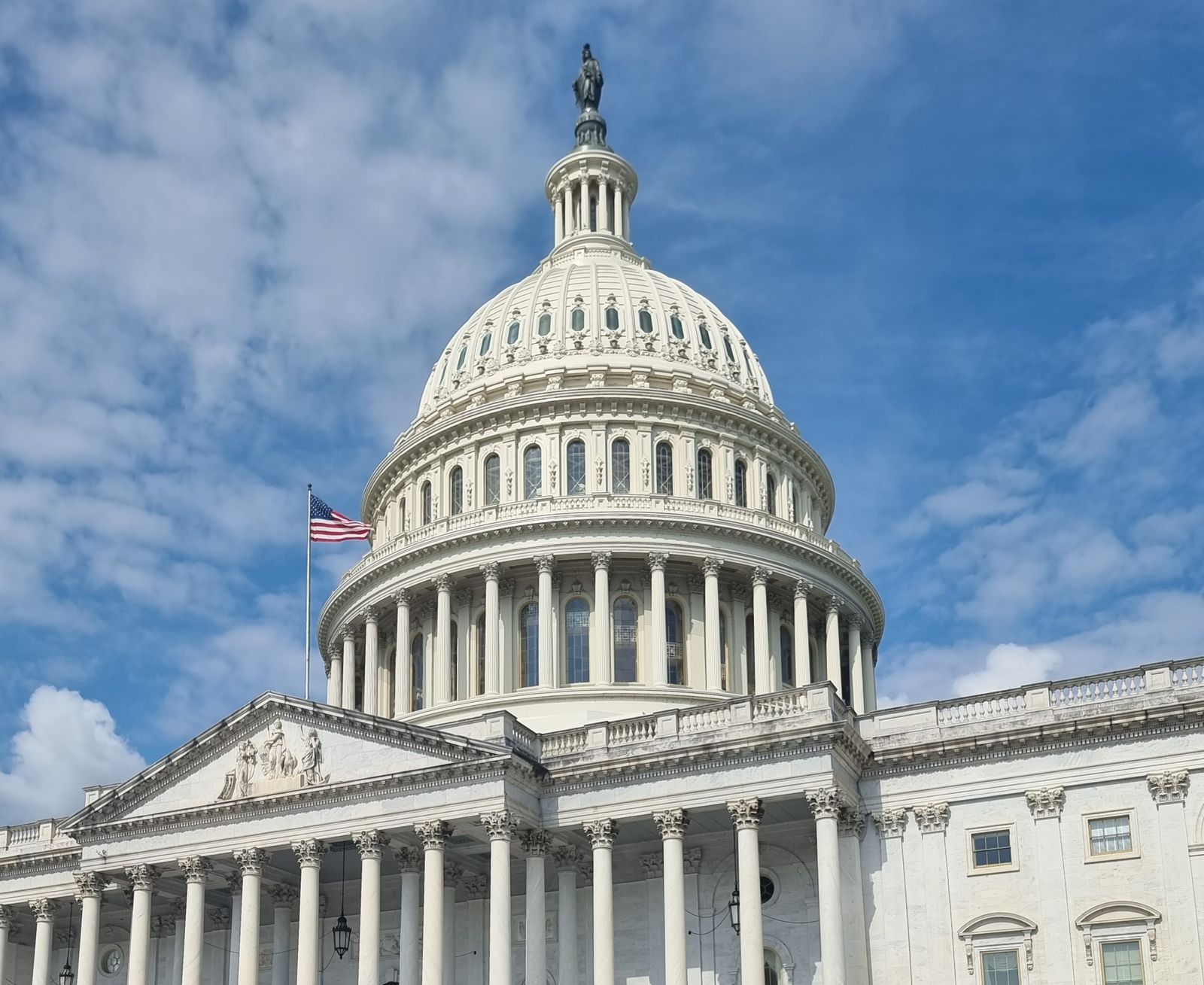
Midterm election economy: Americans voted for a change in congressional leadership on November 3, handing Democrats control of both chambers of Congress. The Associated Press called the Senate for Democrats on the night of November 3 and the House early on November 4. Democrats flipped seven Republican-held Senate seats, including in Texas, Iowa, Kansas, Maine, North Carolina, Ohio and South Carolina. The result creates divided government for the final two years of President Trump’s term. The new Congress does not take office until January 3, 2027.
Voters cited the cost of living as a top concern. Inflation, energy prices and tariffs were among the issues exit polls pointed to. The new Congress is expected to increase scrutiny of federal spending, trade policy and the administration’s regulatory decisions.
For investors, the immediate question is whether divided government will create greater economic stability or introduce another period of political uncertainty. The new majority will not immediately change federal tax policy or eliminate existing executive actions. Its influence over government funding, legislation, investigations and regulatory appointments could still have significant long-term consequences.
Read also: A Pivotal Week for AI Stocks: Hyperscaler Earnings, the Fed and the Midterms — our look at the earnings week behind the latest midterm election economy.
By the numbers
| Congressional chambers changing control | 2 |
| S&P 500, November 4 | +1.6% to 7,688.62 |
| Dow Jones, November 4 | +3.0% to 53,356.12 |
| Nasdaq Composite, November 4 | +1.4% to 25,736.51 |
| S&P 500, November 5, morning | About -2% |
| S&P 500, November 5, close | -4.4% to 7,353.73 |
| Dow Jones, November 5, close | -3.4% to 51,523.06 |
| Nasdaq Composite, November 5, close | -5.5% to 24,315.00 |
| Brent crude, October 30 | $117.64 |
| Brent crude, November 4 | $94.62 |
The initial stock-market reaction was positive, but Thursday’s technology-led selloff more than erased the previous day’s rally. The S&P 500 fell 4.36% on November 5, its worst day since April 2025. The rapid reversal shows that election outcomes are only one of several forces influencing market valuations.
Investor perspective: What it means for value and risk
One potential benefit is reduced concern about aggressive fiscal expansion. A Congress less aligned with the White House could make additional spending initiatives and tax proposals more difficult to pass, potentially reducing some pressure on long-term government borrowing. However, greater political disagreement could also complicate negotiations over government funding and the debt ceiling. Biggest areas: Energy — changes in foreign policy and geopolitical tensions could influence oil prices, energy supply and inflation. Brent crude fell from $117.64 on October 30 to $94.62 on November 4. Healthcare — Congressional efforts to revisit Medicaid and other federal spending programs could affect insurers, hospitals and consumers. Technology — Additional oversight of artificial intelligence, data-center development and energy consumption could affect technology valuations. Financial markets — Changes in Treasury yields, federal borrowing and regulatory expectations could influence equities, bonds and the dollar. The bullish argument is that divided government could prevent unpredictable policy changes and create more stable expectations. The bearish argument is that political gridlock could delay important economic decisions, disrupt government funding negotiations and create further uncertainty for businesses.
Customer perspective: What it means for households
The election was heavily influenced by concerns over the cost of living. However, consumers should not expect immediate reductions in grocery prices, insurance premiums or housing expenses simply because Congress has changed hands. The most important developments to monitor are energy prices, healthcare spending, tariffs, consumer credit costs and any proposed changes to federal assistance programs.
Employee perspective: What it means for workers
Labor policy could become a more prominent legislative issue. Democratic state victories may encourage additional proposals involving minimum wages, worker protections, training programs and employment conditions. However, federal immigration enforcement and many existing executive policies remain in place until the administration or courts change them, or Congress successfully passes new legislation.
The synthesis: Who wins and who bears the cost?
Investors could benefit from more predictable fiscal policy, while certain heavily regulated industries may face greater scrutiny. Consumers may benefit if lawmakers prioritize affordability, healthcare and housing. However, those benefits will depend on whether political negotiations produce actual legislation. The biggest takeaway is that the election changes the balance of political power, but the economy’s underlying fundamentals still matter more than the election itself over the long term. What to watch next: Treasury yields, inflation, energy prices, federal spending negotiations, healthcare legislation and the incoming congressional leadership’s first 100-day agenda.
Primary sources
- Associated Press — 2026 election results: https://political.org/explained/2026-midterm-elections/
- AP market close, November 4, 2026: https://theretest.com/brief/2026-11-04-close
- November 5 market selloff: https://www.indmoney.com/blog/us-stocks/us-stock-market-crash-nasdaq-dow-sp500-ai-selloff
- Brent crude prices: https://gov.house/markets/brent/
Note: Investment calculations and projections are for illustrative purposes only and do not constitute investment advice. Please do your own research before making any investment decisions.