Falling oil prices could boost munis


Bloomberg Creative Photos/Bloomberg
President Trump’s announcement of a memorandum of understanding to end the war in Iran is pulling oil prices down just as
Processing Content
“Falling oil prices may be taking some pressure off the inflation outlook just as the market heads into Kevin Warsh’s first meeting as chair,” said Tom Kozlik, head of public policy and municipal strategy, at Hilltop Securities.
“If that continues, Treasury and municipal yields could begin to fall again after spending much of the spring rangebound at higher levels.”
The quotes come from analysis by Hilltop and include the supposition that “lower long-term yields could reinforce a demand story that has already defined much of 2026.”
The actual terms of the MOU and whether it sticks remains to be seen.
“While the natural inclination is for fixed income yields to fall, volatility is likely, especially if timing and expectations do not materialize,” said Jeff Lipton, Market Intelligence Analyst for The Bond Buyer.
Muni issuance has been booming for the last two years and is up slightly as compared to 2025.
According to Lipper data nearly $25 billion has flowed into municipal mutual funds.
“I expect flows to remain strong through the balance of the year, and supply suitably high enough to meet demand,” said Lipton.
Hilltop believes the trend may be slowing down.
“A key reason is that investment dollars in money market funds that has grown in recent years is finally starting to level off. We think investors are seeking duration with some of these investment dollars through municipal bond investments.”
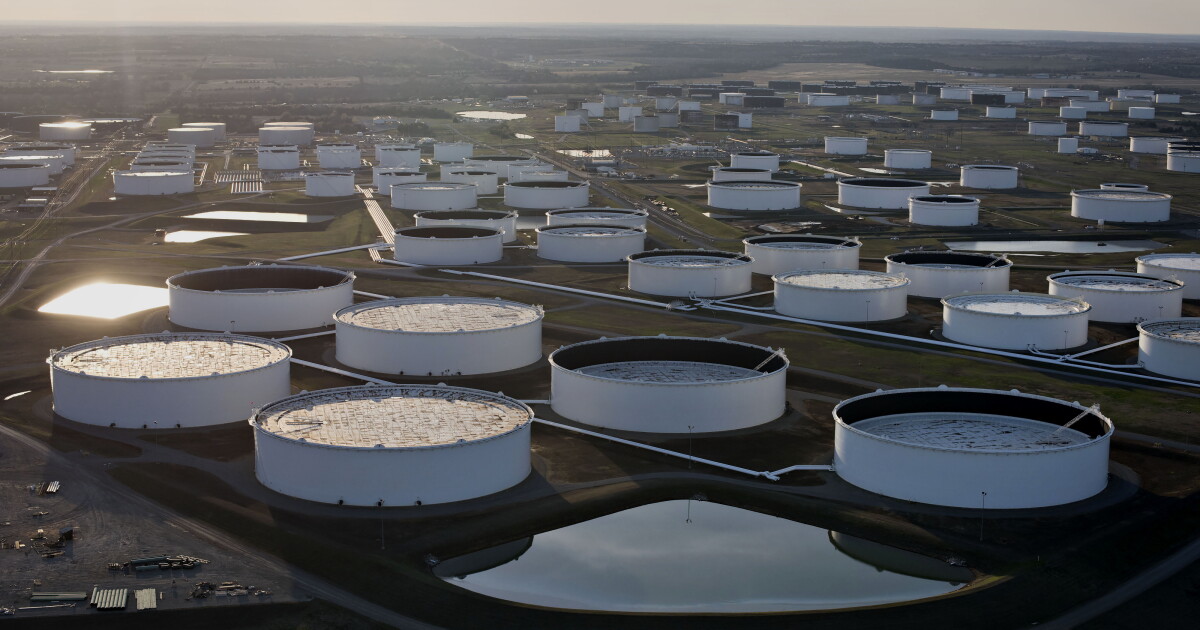
The price of oil is hard linked to the bond market through the price inflation caused by disruptions to the flow of petroleum.
“Even when the Strait of Hormuz reopens, safety issues and concerns will still be present and it will take some time to free up the backlog of transport vessels,” said Lipton.
“Associated supply chain disruption will not immediately disappear, and the inflationary implications are expected to linger.”
Oil producing states typically see revenue increases from higher prices due to increased severance tax revenues and energy-driven economic activity.
Uncertainty and higher borrowing costs raises the price of capital improvement projects which can influence credit ratings.
Fitch Ratings is already factoring in the effects of a deal while the details remain under wraps.
“We still see a high risk that the strait will not be opened immediately or that the situation remains unstable, but even a temporary opening of Hormuz would significantly reduce the more extreme credit risks that the conflict has posed.”
S&P Global Ratings is also taking a wait and see approach to any rating decisions.
“Significant uncertainties will likely remain until the tentative agreement is finalized and implemented, and freedom of navigation in the Straits of Hormuz is restored.
“Even if the memorandum of understanding is signed on Friday, we are not changing our macroeconomic or credit forecasts at this juncture,”
said S&P.
“Short-term rates are expected to be held steady this week, and while newly minted Fed Chair Warsh may comment on the current agreement, the details of the MOU are to be released post-meeting,” said Lipton.